A panic attack can feel sudden, frightening and completely out of proportion to what is happening around you. One minute you may be sitting on a train, lying in bed or walking through a supermarket. The next, your heart is racing, your chest feels tight, and a strong fear rises that something terrible is about to happen.
This article is for information only and is not a substitute for medical advice. If symptoms are new, severe or feel different from anything you have had before, seek medical help.
Jump to sections in this article:
- What is a panic attack?
- What causes panic attacks?
- How to stop a panic attack while it is happening
- What recovery can feel like after a panic attack
- When to seek therapy for panic attacks
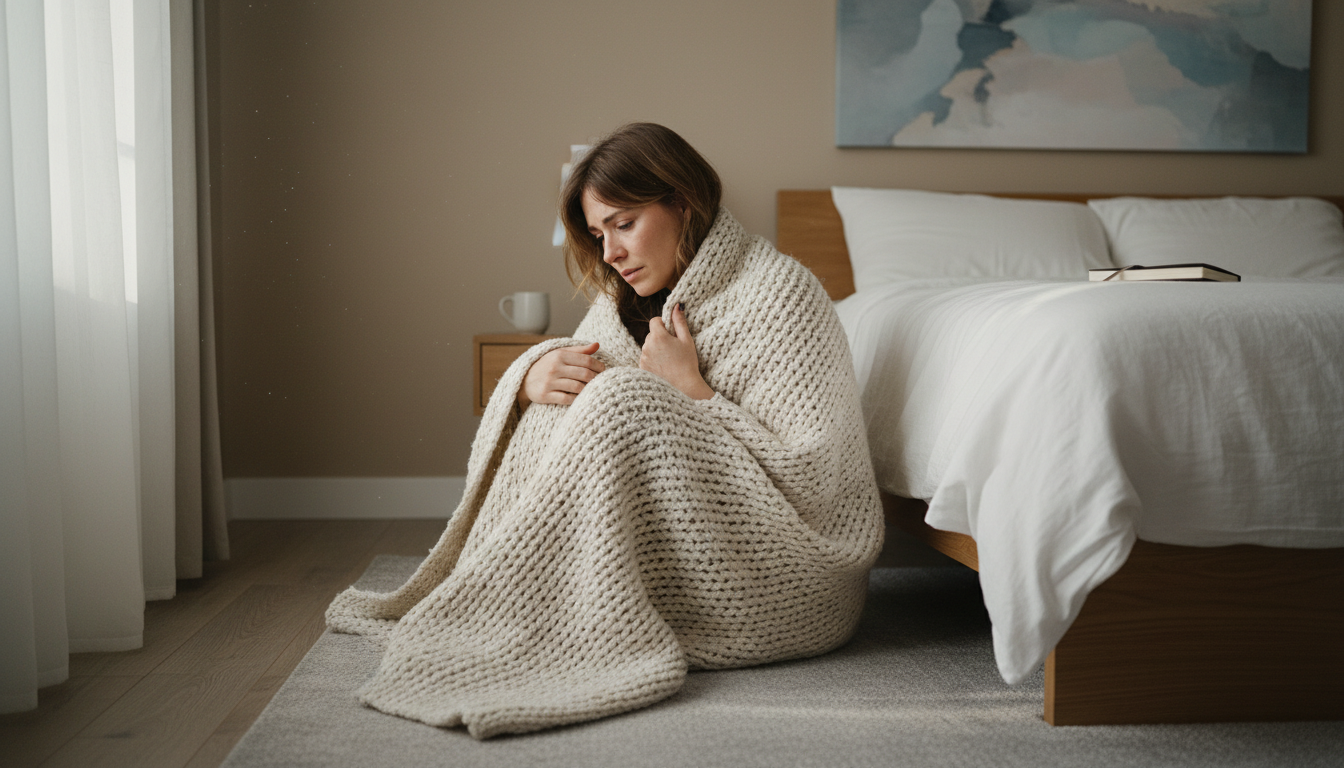
What is a panic attack?
A panic attack is a sudden rush of intense fear or discomfort that reaches a peak quickly. It can happen in a stressful moment, but it can also appear when life seems calm.
Common signs include:
- A racing or pounding heart
- Shortness of breath
- Chest tightness or pain
- Shaking or trembling
- Sweating
- Dizziness or feeling faint
- Nausea or stomach discomfort
- Tingling in the hands, face or lips
- Feeling detached from yourself or your surroundings
- Fear of dying, losing control or “going mad”
A panic attack is not a sign of weakness. It is the body’s alarm system firing strongly, even when there is no immediate danger. The experience can be so convincing that many people fear they are having a medical emergency.
Lived experience accounts are often very similar. People describe feeling trapped inside their own body, embarrassed in public, or exhausted after the attack passes. Some become afraid of the next one, which can make daily life smaller over time.
Two questions often come together: what is a panic attack, what causes panic attacks. The short answer is that panic is both physical and emotional. It is a real body response, shaped by stress, past experiences, health, habits and fear of the symptoms themselves.
What causes panic attacks?
Panic attacks can have more than one cause. For some people, they begin during a period of strain. For others, the first attack seems to arrive out of nowhere.
Common triggers include:
- Ongoing stress at work, home or in relationships
- Lack of sleep
- Grief, shock or major life change
- Health worries
- Caffeine, alcohol or recreational drugs
- Feeling trapped, crowded or unable to leave
- Past trauma or frightening experiences
- A family pattern of anxiety or panic
Sometimes the trigger is not obvious because the body has been under pressure for a long time. A person may cope well for weeks, then panic appears during a quiet evening or on a day off. That can feel confusing, but it does not mean the attack is imaginary.
There is also a cycle that keeps panic going. A body sensation appears, such as a skipped heartbeat or tight chest. The mind reads it as danger. Fear rises. The body releases more alarm signals. The symptoms grow stronger. Then the fear feels “proved”, even though the cause may still be panic.
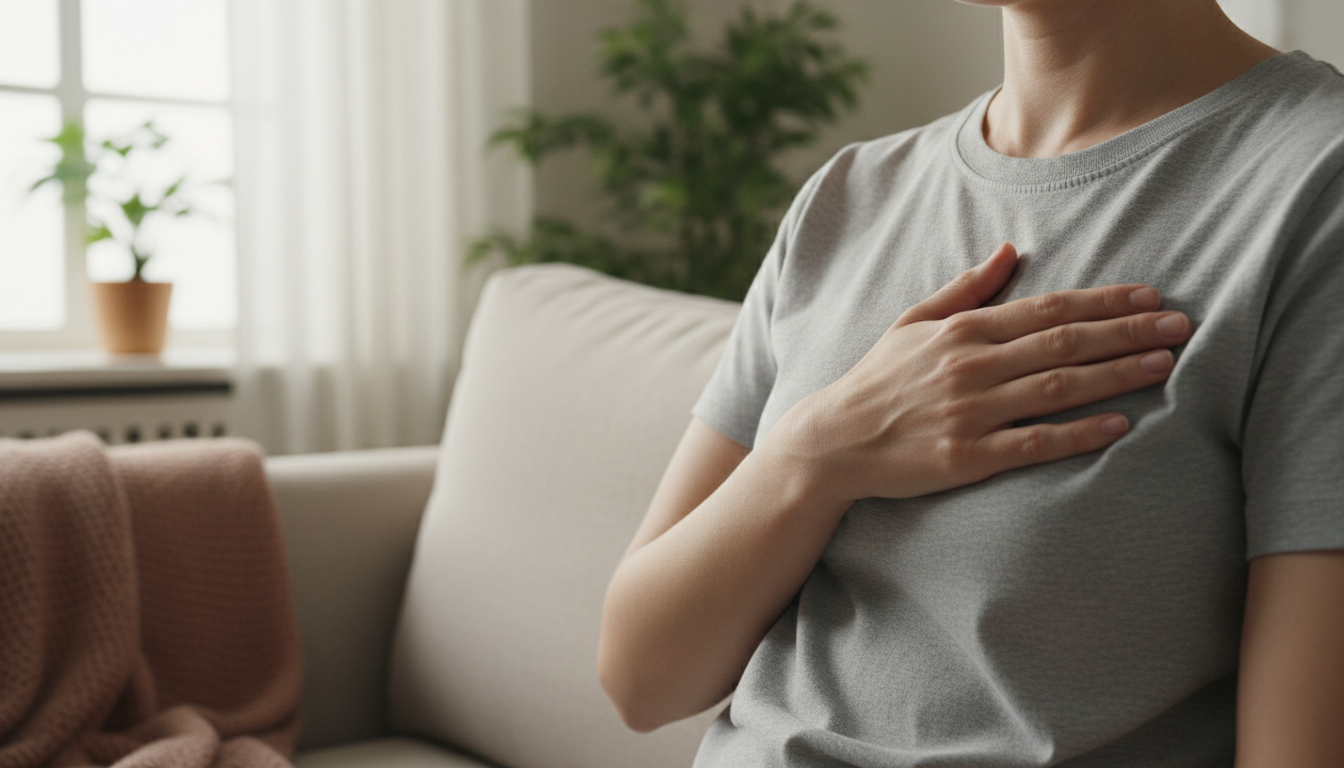
How to stop a panic attack while it is happening
The aim during a panic attack is not to force calm instantly. The aim is to help the body ride the wave until it passes. Most panic attacks rise, peak and then reduce.
Try these steps.
Name what is happening
Say to yourself, “This is panic. It feels dangerous, but it will pass.” This helps the mind stop adding extra fear to the body’s alarm.
Slow the out-breath
Breathe in gently through the nose if you can. Then breathe out slowly, as if fogging a mirror. Do not take huge breaths, as this can make dizziness worse. A longer out-breath tells the body it can stand down.
Ground yourself in the room
Put both feet on the floor. Notice five things you can see, four things you can feel and three things you can hear. This brings attention back to the present moment.
Relax one area of the body
Drop your shoulders. Unclench your jaw. Open your hands. Panic often makes the body brace, and softening one area can reduce the sense of threat.
Stop fighting the symptoms
This may sound strange, but resisting panic often feeds it. Try saying, “I can let these feelings move through me.” You are not approving of the panic. You are refusing to wrestle with it.
Stay where you are if it is safe
Running away can teach the brain that the place was dangerous. If you are safe, staying until the panic drops can build confidence for next time.
People searching for how to stop a panic attack often want one perfect trick. In reality, relief usually comes from a few small actions repeated calmly, even when they feel too simple to work.
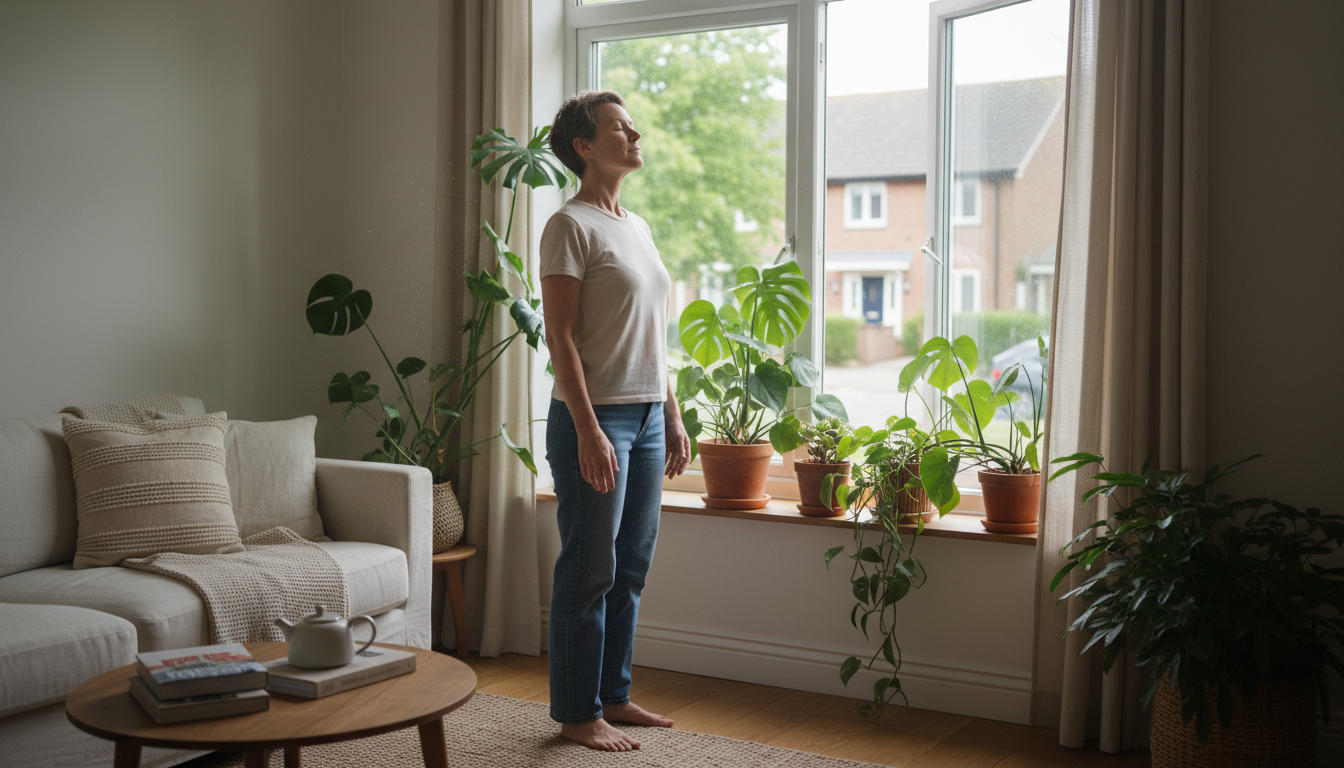
What recovery can feel like after a panic attack
After a panic attack, many people feel tired, shaky or tearful. Some feel embarrassed, especially if it happened in public. Others feel angry that their body seemed to betray them.
These reactions make sense. A panic attack can be deeply unsettling. Be careful not to punish yourself afterwards. Rest, drink water, eat something gentle if needed, and return to normal activity in small steps.
A useful reflection is to ask:
- What was happening in the hours or days before the attack?
- Have I been sleeping, eating and resting enough?
- Did I avoid something afterwards because of fear?
- What helped, even slightly?
The goal is not to monitor yourself all day. It is to learn patterns without becoming trapped by them.
When to seek therapy for panic attacks
Therapy is worth considering when panic attacks repeat, feel unpredictable, or start shaping your choices. That might mean avoiding trains, shops, exercise, social plans, driving, being alone, or situations where escape feels hard.
Seek support sooner if:
- Fear of panic is limiting daily life
- You are constantly checking your body for signs of danger
- You avoid places or activities you once managed
- Panic follows trauma, loss or prolonged stress
- You use alcohol, drugs or unsafe habits to cope
- You feel low, hopeless or unable to manage
Therapy can help you understand the panic cycle, reduce fear of symptoms, rebuild confidence and practise safer responses. Many people also benefit from speaking to their GP, especially if symptoms are new or physical health has not been checked.
If panic attacks are affecting your life, the next step is simple: speak to a qualified professional and ask for support. You do not have to wait until panic feels unbearable. Getting help early can stop the fear from taking up more space than it deserves.
Dr Kayleigh Darch is a HCPC-registered Clinical Psychologist offering confidential, supportive and effective online therapy to people living in Devon and across the UK. If you're interested in working with Kayleigh, get in touch to start the process today. You can book a free 15-minute consultation to talk about how you might work together and what you hope to achieve in therapy.
If you're struggling with anxiety, then you might find our article on the phases of anxiety helpful.
If you're thinking about therapy, check out our summary about how therapy builds resilience or what to expect in your first therapy session.
Thank you for reading.